


Una delle cose meno comprese del volo e in particolare dei modelli R/C è lo stallo. Quindi, wOne of the least understood things about flight and in particular with R/C models is the stall. So, wcos'è, perché accade e quando accade e, cosa più importante, come possiamo evitare che accada.hat is it, why does it happen and when does it happen and more importantly how can we prevent it from happening.
Uno stallo si verifica quando il peso dell'aereo non può più essere sostenuto dalla portanza generata dall'ala (l'elicottero batte l'aria fino a sottometterlo) e questo può e accadrà in molti atteggiamenti e non solo con potenza ridotta nel volo rettilineo e livellato. Una delle cose più importanti da tenere a mente con un modello è il peso. Più leggero è il modello, migliori saranno le sue prestazioni in volo e minore sarà la velocità di stallo. Questo è rilevante per tutti i modelli, sia grandi che piccoli. È un falso presupposto: più forte è il modello, più è probabile che sopravviva a un incidente, ma non è così. Non importa quanta forza hai incorporato in un modello, si romperà sempre nel punto più debole in caso di incidente.A stall occurs when the weight of the aircraft can no longer be supported by the lift being generated by the wing ( helicopter beats the air into submission) and this can and will occur in many attitudes and not just at reduced power in straight and level flight. One of the most important things to bear in mind with a model is the weight. The lighter the model the better it will perform in flight and the lower the stall speed will be. This is relevant for all models both large and small. It’s a false assumption the stronger the model the more likely it is to survive a crash this is not the case. It doesn’t matter how much strength you built into a model it will always break at the weakest point in the event of a crash.
Un modello è forte quanto la sua parte più debole.A model is only as strong as the weakest part.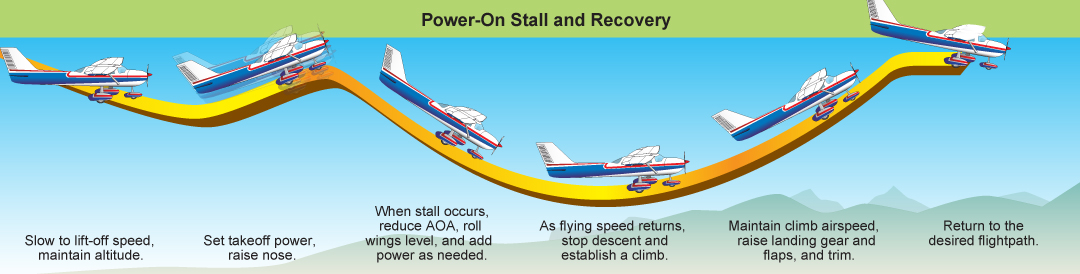
Prendiamo due modelli con lo stesso design e le stesse dimensioni: uno pesa 6 libbre e l'altro pesa 7 libbre. Il modello più leggero avrà una velocità di stallo inferiore rispetto a quello più pesante perché il modello più pesante dovrà volare a una velocità maggiore per generare la stessa portanza necessaria per mantenerlo in aria. Il modello leggero avrà una velocità di stallo inferiore, il che significa che sarà anche in grado di atterrare a una velocità inferiore, riducendo così il rischio di danni in un atterraggio duro. Una velocità inferiore in atterraggio darà inoltre al pilota più tempo per pensare in anticipo a ciò che è necessario fare per mantenere le ali livellate e il modello rivolto verso la pista.Let's take two models of the same design and size one weighs 6lbs and the other weigh 7lbs. The lighter model will have a lower stalling speed than the heavier one because the heavier model will have to fly at a higher airspeed to generate the same lift required to keep it in the air. The light model will have a lower stall speed which means it will also be able to land at a lower speed this will reduce the risk of damage in a hard landing. A slower speed on landing will also give you the pilot more time to think ahead of what you need to do to keep the wings level and the model pointing down the runway.
Nel volo rettilineo e livellato, supponiamo che la velocità di stallo di un dato modello sia di 25 miglia orarie, questa sarebbe la velocità ideale affinché il modello possa stallare e richiamare per atterrare sulla pista. Con lo stesso aereo in virata con le ali a 30° la velocità di stallo arriva a circa 30 miglia all'ora. In una virata di 45º la velocità di stallo aumenta fino a circa 45 miglia orarie. Ora aumenta l'angolo di virata a 60º e la velocità di stallo potrebbe essere compresa tra 50 e 55 miglia orarie. La velocità di stallo aumenta drammaticamente con l'angolo di virata e se si incorpora anche l'elevatore per iniziare una virata, la velocità inizia a ridursi a causa della resistenza indotta. Se il pilota non se ne accorge, il modello perderà rapidamente quota e si schianterà se non vengono prese misure per correggere la situazione. La situazione di cui sopra è ancora più rilevante con un EDF perché il flusso d'aria sulle superfici di volo è ridotto. Con un modello azionato da un'elica c'è un flusso d'aria proveniente dall'elica sulle superfici di controllo. Tuttavia, tieni presente che il flusso d'aria avverrà solo sopra l'elevatore e il timone. Gli alettoni avranno poca o nessuna autorità verso la punta dell'ala.In straight and level flight lets assume the stall speed of a given model to be 25MPH this would be the ideal airspeed for the model to stall and flare to land on the runway. The same aircraft in a bank with the wings at say 30º the stalling speed goes up to about 30MPH. In a bank of 45º the stalling speed increases to around 45MPH. Now increase the angle of bank to 60º and the stalling speed could be 50 to 55MPH. The stalling speed increase dramatically with the angle of bank and if you incorporate elevator as well to initiate a turn the airspeed now starts to reduce because of the induced drag. If the pilot is not aware the model will rapidly loose height and crash if measures are not taken to rectify the situation. The above situation is even more relevant with an EDF because there is reduced airflow over the flying surfaces. With a propeller driven model there is airflow over the control surfaces from the propeller. However, please note the airflow will only be over the elevator and rudder. The ailerons will have little or no authority out towards the tip of the wing.
Ora, considera un circuito di atterraggio in cui il modello si trova sul lato sottovento del percorso, hai una potenza ridotta e una perdita di altezza. Ad un certo punto fai un giro di 90º su una gamba base riducendo leggermente la potenza per ridurre l'altezza. L'ultima virata verso la finale per l'avvicinamento è il luogo più probabile in cui il modello stallerà e si schianterà se il pilota non se ne accorge. Mentre effettui la virata, fai rotolare l'aereo in una virata e allo stesso tempo inizi a applicare l'elevatore e forse anche il timone. Questi sono gli stessi input di controllo per un giro. La virata finale nell'avvicinamento all'atterraggio dovrebbe essere sempre una virata dolce e poco profonda.Now, consider a landing circuit the model is on the downwind leg of the pattern, you have reduced power and loosing height. At a given point you make a 90º turn onto a base leg all the while reducing the power slightly to reduce the height. The last turn on to the final for the approach is the most likely place the model will stall and crash if the pilot is unaware. As you make the turn you roll the aircraft into a bank and at the same time you start to apply up elevator and perhaps the rudder as well. These are the same control inputs for a spin. The final turn onto the landing approach should always be a very shallow gentle turn.
Il modello è ben allineato sul finale; Avvicinamento all'atterraggio tutto sembra a posto quando all'improvviso WHAM, BANG il modello lascia cadere un'ala e si schianta. Cosa è successo, hai appena sperimentato uno stallo della mancia. Allora, cosa crea uno stallo delle mance e come possiamo prevenirlo, ti sento dire. Uno stallo di punta si verifica quando la portanza all'estremità dell'ala smette di generare portanza e la radice o il centro dell'ala continua a farlo. In altre parole si genera più portanza al centro dell'ala che alla punta e per questo motivo la punta scenderà. Da qui il nome “Tip Stall”.The model is nicely lined up on the final; approach to landing everything looks good when suddenly WHAM, BANG the model drops a wing and crashes. What happened, you have just experienced a tip stall. So what creates a tip stall and how can we prevent it I hear you say. A tip stall occurs when the lift at the wing tip stops generating lift and the root or center of the wing continues to do so. In other words more lift is generated at the center of the wing that at the tip and because of this the tip will drop Hence the name “Tip Stall”.
Succede principalmente con un'ala affusolata e, anche in questo caso, il peso del modello gioca un ruolo importante: dovrebbe essere leggero. Una volta che il modello è stato costruito e finito, c'è ben poco che puoi fare. Tuttavia, c'è un piccolo trucco che funziona ed è quello di sollevare entrambi gli alettoni leggermente sopra il bordo d'uscita dell'ala tra 1/32" e 1/16". Questo ha l'effetto di creare sollevamento sulla punta, si chiama "Wash Out". Qualsiasi cosa in più deve essere affrontata nelle fasi di progettazione e costruzione. Tieni presente che funziona solo con il modello posizionato correttamente in volo. Invertito ha l’effetto opposto e si chiama “Wash In”. Se intendi far volare il modello solo nella direzione giusta o invertito a non meno di metà motore invertito, andrà bene.It happens mainly with a tapered wing and, again the weight of the model plays an important part it should be light. After the model has been built and finished there is very little you can do. However, there is one little trick that works and that is to raise both ailerons up slightly above the trailing edge of the wing somewhere between 1/32” and 1/16”. This has the effect of creating lift at the tip it’s called “Wash Out”. Anything more than this needs to be addressed in the design and building stages. Please note this only works with the model the right way up in flight. Inverted it has the opposite effect and it’s called “Wash In”. If you only intend to fly the model the right way up or inverted at no lower than half throttle inverted it will be fine.
Gli aerei acrobatici hanno capacità di stallo della punta integrate nel design, devono essere in grado di ruotare e ruotare in modo pulito e prevedibile.Aerobatic aircraft have tip stalling capabilities built into the design, they need to be able to snap roll and spin cleanly and predictably.
Lo stallo di potenza è l'ultimo che voglio menzionare. Il tuo modello accelera lungo la pista fino al decollo, si solleva in aria e inizia una bella salita poco profonda, a quel punto aumenti l'angolo e la velocità di salita. Il modello inizia a rallentare mentre è ancora a piena potenza e non perde rapidamente velocità. Un ascensore più in alto non farà altro che peggiorare la situazione. Se non si intraprende un’azione immediata, il modello si bloccherà e probabilmente si schianterà. L'unico corso di eventi per prevenire uno schianto è spingere il muso verso il basso per aumentare la velocità.The power stall is the last one I want to mention. Your model accelerates down the runway to takeoff and lifts off into the air and starts a nice shallow climb at which point you increase the angle and rate of climb. The model starts to slow down while still on full power and is nor rapidly loosing airspeed. More up elevator will only make the situation worse. If you don’t take immediate action the model will stall and likely crash. The only course of events to prevent a crash is to push the nose down to increase the airspeed.
In una situazione di stallo è necessario aumentare la velocità in modo che l'ala possa generare una portanza sufficiente affinché il modello possa volare. Potrebbe essere necessario livellare prima le ali, dipende dall'assetto in cui si trova il modello.In a stall situation you have to increase the airspeed so the wing can generate sufficient lift for the model to fly. You may have to level the wings first it will depend on the attitude the model is in.
Infine, spero che questo ti aiuti a prevenire un incidente e possa anche essere d'aiuto in caso di incidente inspiegabile.Finally I hope this helps you prevent a crash and it may also help when you have an unexplained crash.


