

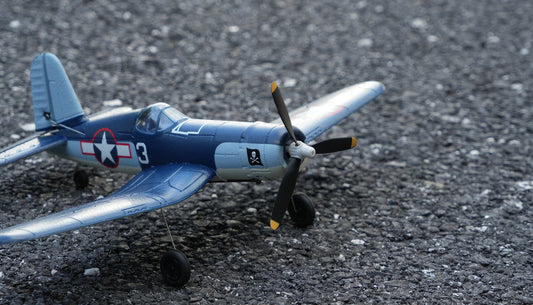
Benvenuti nel mondo di RC-EXHOBBY! Presenterò alcuni suggerimenti e consiglielcome to The world of RC-EXHOBBY! I will introduce some tips and advice that principiantibeginners dovrebbe sapere, dalla scelta dell'aereo ai suggerimenti operativi. Spero che questo ti aiuti In tal caso, lascia i tuoi pensieri qui sotto o condividili con i tuoi amici. should know, from choosing a plane to operation suggestions. I hope this helps you. If it does, please leave your thoughts below or share them with your friends.
1. Scegli l'aereo RC giusto1. Choose the Right RC Plane
Innanzitutto, ci sono molte categorie di aerei, ma dovresti prima procurartene uno tuoirstly, there are many categories of planes, but you should first get your own Aereo RCRC plane. Puoi scegliere di acquistare un You can choose to buy an Kit RTFRTF kit oppure optare per il fai da te. or opt to DIY.
Se vuoi costruire il tuo aereo, dai un'occhiata a Flite Test. Sono più esperti e hanno aiutato molte persone con progetti fai-da-te. Tuttavia, ti consiglio di acquistare un kit RTF per la prima volta. Dopo aver acquisito un po' di esperienza di volo, prova a costruire il tuo aereo: per allora saprai di cosa hai bisogno!If you want to build your plane, check out Flite Test. They are more experienced and have helped many people with DIY projects. However, I recommend you buy an RTF kit for the first time. After gaining some flight experience, try building your plane—you will know what you need by then!

1.1 Grande o piccolo1.1 Big or Small One
Ti consiglio vivamente di iscriverti a un strongly suggest you join an Club aereo RCRC plane club ed effettua il tuo primo volo con l'aiuto di piloti esperti. Naturalmente potete anche chiedere loro consigli e aiuto per l'acquisto. and do your first flight with the help of experienced pilots. Of course, you can also ask them for purchasing advice and help.
Se ti iscrivi a un club, procurati un aereo più grande con una radio. È bene acquistare un simulatore per esercitarsi prima del volo. Non volare su modelli di grandi dimensioni senza esperienza o aiuto. È probabile che si danneggi e 300 dollari non sono economici, giusto?If you join a club, get a bigger plane with a radio. It's good to buy a simulator for practice before flying. Don't fly big models without experience or help. It's likely to get damaged, and $300 isn't cheap, right?
1.2 Modelli di piccoli aerei adatti ai principianti1.2 Small Plane Beginner-Friendly Models
Se vuoi provare prima una pialla più piccola, puoi dare un'occhiata alla nostra serie per principianti. Sono dotati di 3 diverse modalità di volo/livelli giroscopici. La modalità Principiante prevede livellamento automatico e limiti di rotazione. La modalità intermedia ha un giroscopio.If you want to try a smaller plane first, you can take a look at our beginner series. They come with 3 different flight modes/gyro levels. Beginner mode has auto-leveling and roll limits. The intermediate mode has a gyro.
La modalità Expert, la modalità in cui volo la maggior parte del tempo, non ha limiti, esposizione e dual rate. Volare unxpert mode—the mode I fly most of the time—has no limits, no exposure, and no dual rates. Flying an Uccello da guerra RCRC warbird è finalmente una possibilità per chi non ha molti soldi o esperienza di volo. is finally a possibility for those who don't have a lot of money or flying experience.
Ecco un blog per raccontarteloere is a blog to tell you come scegliere i nostri aerei RChow to choose our RC planes
2. Comprendere le basi del volo RC2. Understand the Basics of RC Flying
Prima di prendere il volo, è estremamente importante acquisire una buona conoscenza dei fondamenti.Before you take to the skies, it's super important to get a good grasp of the fundamentals.

2.1 Come funzionano gli aerei RC2.1 How RC Planes Work
Gli aerei RC sono controllati tramite segnali radio inviati dal trasmettitore al ricevitore sull'aereo. Il ricevitore poi dice ai servi dell'aereo di muovere le superfici di controllo.RC planes are controlled through radio signals sent from your transmitter to the receiver on the plane. The receiver then tells the plane's servos to move the control surfaces.
Mettiti comodo con i controlli del trasmettitore: acceleratore, alettone, elevatore e timone. Ognuno gestisce una parte diversa del tuo volo e conoscerli bene è la chiave per far volare il tuo aereo senza intoppi.Get comfy with the transmitter controls: throttle, aileron, elevator, and rudder. Each one manages a different part of your flight, and knowing them well is key to flying your plane smoothly.
3. Investi in un buon simulatore3. Invest in a Good Simulator
I simulatori di volo sono i migliori amici di un principiante.Flight simulators are a beginner's best friend.
3.1 Vantaggi dell'utilizzo dei simulatori3.1 Benefits of Using Simulators
I simulatori ti aiutano a esercitarti senza il rischio di danneggiare il tuo aereo. Sono un ottimo modo per prendere confidenza con i controlli e migliorare i tempi di reazione.Simulators help you practice without the risk of damaging your plane. They’re a great way to get a feel for the controls and improve your reaction time.
Scopri opzioni come RealFlight o Phoenix RC. Questi forniscono esperienze di volo realistiche e una varietà di aerei da provare.Check out options like RealFlight or Phoenix RC. These provide realistic flight experiences and a variety of planes to try.
4. Attenzione all'addebito4. Care about the charge
batterie lipoLipo batteries sono estremamente pericolosi,are extremely dangerous, per favore non caricarli incustoditi!!!please do not charge them unattended!!!
4.1 si prega di essere prudenti4.1 please be safe
Alcuni caricabatterie non sono dotati di protezione da sovracorrente, il che accelera il processo di ricarica, ma una ricarica prolungata potrebbe farli bruciare.Some chargers do not have overcurrent protection, which speeds up the charging process, but charging for a long time may cause them to burn out.
La sicurezza è sempre la più importante, è meglio caricare in modalità equilibrio.Safety is always the most important, it is best to charge in balance mode.
5. Prova il tuo primo volo5. Try your first flight
Prima del tuo primo volo, assicurati che il tuo aereo sia pronto e che la batteria sia completamente carica.Before your first flight, make sure your plane is ready and that the battery is fully charged.

5.1 Controlla il tuo ambiente5.1 Check your environment
Per prima cosa controlla se ci sono ostacoli intorno, prova a sceglierne unoirst, check if there are any obstructions around, try to choose an spazio apertoopen space. Un parco è una buona scelta, e anche l'erba morbida può esserlo A park is a good choice, and soft grass can also ridurre il dannoreduce the damage se l'aereo cade. if the plane falls.
Prestare attenzione alla velocità del vento in questo momento. I principianti dovrebbero iniziare il loro primo voloay attention to the wind speed at this time. Beginners should start their first flight in condizioni di vento calmo o leggerocalm or light wind conditions. Non volare con vento forte poiché è difficile per i principianti mantenere l'equilibrio.. Do not fly at high wind speeds as it is difficult for beginners to maintain balance.
5.2 Inizia a volare5.2 Start flying
Per iniziare, usa il radiocomando per accendere l'aereo. Assicurati che sia in modalità principiante. Mettilo su una superficie piana, premi delicatamente l'acceleratore, accelera lentamente fino a metà acceleratore e solleva lentamente l'aereo.To start, use the remote control to turn on the plane. Make sure it's in beginner mode. Put it on a flat surface, push the throttle gently, accelerate slowly to half throttle, and lift the plane slowly.
L'aereo decolla ufficialmente. Quando si gira, non usare troppa forza. Nella modalità principiante, ci sarà il giroscopio e la correzione automatici, quindi rilassati e goditi il tuo primo volo.The plane officially takes off. When turning, do not use too much force. In beginner mode, there will be automatic gyroscope and correction, so relax and enjoy your first flight.
5.3 Atterraggio morbido5.3 Soft landing
Abbassate la quota e allineatevi con la pista, quindiower the altitude, align with the runway, then ridurre lentamente a 1/4 di potenzaslowly reduce to 1/4 power, assicurandosi che l'aereo stia scendendo lentamente. Non lasciare che il muso punti direttamente verso il basso poiché ciò causerebbe lo schianto dell'aereo e diventerebbe incontrollabile. Inoltre, non ridurre troppo la velocità poiché ciò causerebbe lo stallo dell'aereo., ensuring the plane is descending slowly. Do not let the nose point directly downward as this will cause the plane to crash and be uncontrollable. Also, do not reduce the speed too much as this will cause the plane to stall.
Dopo che l'aereo scende lentamente,fter the plane slowly descends, sollevare il muso in modo che l'aereo tocchi il suolo in posizione con il muso in sulift the nose so that the plane touches the ground in a nose-up position. A questo punto hai completato un volo completo. Congratulazioni!. At this point, you have completed a full flight. Congratulations!


