

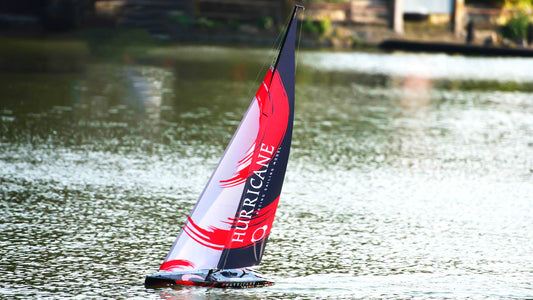
Introduction to RC Navy Ships
RC navy ships bring the excitement of seafaring adventures right to your backyard pool or local pond. These remote control toys mimic real naval vessels from history, letting users steer them across water with a handheld controller. People often call them RC ships for short. They come in various sizes and designs, including models that look like old warships or fun pirate boats.
I remember when I first stood at the edge of a local lake, holding a transmitter and watching a 1/200 scale WWII destroyer carve through the water. The way the bow sliced through the small ripples, creating a miniature wake, was mesmerizing. For scale model builders and remote control enthusiasts, this is where craftsmanship meets action. You are not just building a static display piece that gathers dust on a shelf; you are commanding a functional, motorized replica that brings history to life.
Whether you are drawn to the clean lines of a modern guided-missile cruiser, the rugged battle-scarred appearance of a World War II battleship, or the wind-swept sails of a classic pirate ship, this hobby offers something for everyone. It bridges the gap between traditional model building and active outdoor play, allowing you to experience the challenges of maritime navigation firsthand.
How RC Navy Ships Operate
Imagine holding a small device that makes a tiny ship zip around. That's how RC navy ships work. A battery powers the motor inside the hull, and radio signals from the controller tell it to turn left, right, or speed up. Some models reach speeds up to 15 miles per hour. Users charge the battery, place the ship in water, and start playing. Have you tried steering one yet? It feels like captaining a fleet without leaving shore.
At the heart of every remote control vessel is the propulsion and control system. When you move the transmitter sticks, it sends a radio frequency signal to the receiver nestled safely inside the dry compartment of the boat's hull. The receiver interprets these signals and sends commands to the speed controller and steering servo. The servo physically pivots the rudder, directing water flow to steer the ship, while the speed controller regulates the electrical power flowing from the battery pack to the drive motors.
Under the Hood: Detailed Motor Setups
When selecting a power plant for your ship, you generally choose between two technologies: brushed and brushless motors. Scale warships and pirate galleons rely heavily on brushed motors (such as the 380, 540, or 775 sizes). These motors are ideal because they offer exceptional low-speed control, which is necessary for executing slow, realistic harbor maneuvers and docking procedures. Brushed setups are inexpensive and draw less power, giving you longer runs on a single charge.
For high-performance combat models or larger vessels that need to battle heavy currents, brushless motors are the preferred choice. They offer higher power-to-weight ratios and run more efficiently, though they require more advanced speed controllers. Because motors and speed controllers generate significant heat when enclosed inside a sealed, waterproof hull, many hobbyists install water-cooling systems. These systems use a tiny scoop near the rudder or propeller to pick up water as the boat moves, routing it through flexible silicone tubes wrapped around the motor jacket, and discharging it out a small port on the side of the hull. This keeps the electronics running cool even during long, warm summer days.
Battery selection is another factor to consider. While older models ran on heavy NiMH packs, modern RC captains use lightweight lithium-polymer (LiPo) or lithium-ion (Li-ion) batteries. A 7.4V (2S) battery is standard for scale cruisers, providing the perfect balance of voltage and weight. Larger battleships might require 11.1V (3S) configurations to drive multiple propellers and heavy internal gearboxes.
Focus on Remote Control Pirate Models
Focus on the pirate model side. A remote control pirate model resembles ships from stories like Pirates of the Caribbean. These feature black sails, skull flags, and fake cannons. One example includes a hull made from fiberglass for durability, with masts that hold up cloth-like sails. The controller operates from up to 500 feet away, so you can send it on pretend raids. Kids and adults use them for games, pretending to hunt treasure or battle other boats.
Pirate ships present a unique design challenge in the RC world. Unlike deep-V speedboats that sit low in the water, pirate galleons have high sides (sterncastles) and tall masts. This high profile makes them highly susceptible to wind drift, acting like a sail even when you are trying to drive under motor power. To keep them from tipping over, builders place heavy lead ballasts at the very bottom of the keel. This lowers the center of gravity and ensures the ship rights itself even if caught in a sudden gust of wind. It is a beautiful blend of traditional sailing physics and modern radio control technology.
Different Types of Models
Different types exist. Some RC navy ships copy real military vessels, like the USS Missouri battleship in 1/250 scale. That means the model measures about 23 inches long while the actual ship stretched over 800 feet. Others draw from World War II designs, with gray paint and turret details. Pirate versions add flair, such as retractable planks or crow's nests. What draws you to these— the history or the play?
For history buffs, building a scale replica of a famous ship is a way to connect with the past. Builders spend hundreds of hours researching archival photos to ensure that every deck hatch, gun turret, and life raft is in the correct position. Popular subjects include Fletcher-class destroyers, German Bismarck battleships, and British Flower-class corvettes. On the other hand, fantasy models like pirate ships allow for complete creative freedom. You can paint them with weathered wood tones, add miniature skeleton crews, and illuminate the captain's quarters with flickering yellow LEDs to create the ultimate ghost ship.
Historical Replica Detailing: Bringing History to the Water
The true joy of scale RC navy ships lies in the details. Unlike racing hulls, which are designed solely for speed, scale warships are floating works of art. Achieving realistic detail requires a combination of building materials and finishing techniques. Many kits provide ABS plastic or fiberglass hulls, but the deck is often overlaid with individual wooden planks to mimic the teak decking of real battleships. Small details like brass stanchions, coiled anchor chains, and photo-etched metal ladders add layers of depth that make the model look authentic even from close range.
Weathering is another technique that separates master builders from beginners. A real warship at sea is subjected to saltwater spray, wind, and sun, which creates rust streaks, faded paint, and grime. Hobbyists paint their models using airbrushes and washes, adding rust tones along the anchor hawsers and scuppers, and creating dark soot stains around the smokestacks. This weathering makes the model look like a working vessel with history, rather than a clean plastic toy. When it glides across the water, the weathered finish combines with the natural light to create a stunning, lifelike appearance.
Building and Playing with RC Ships
Building one adds to the fun. Many come as kits with parts like wooden frames, plastic pieces, and metal fittings. You assemble the hull, attach the motor, and wire the electronics. Instructions guide each step. Once done, test it in calm water. Groups even hold events where RC ships "fight" with safe BB pellets from tiny cannons. Clubs like the North Texas Battle Group build 1/144 scale models that sink if hit too much, then get fixed for next time.
I have spent many weekends building and testing these models. There is a great sense of satisfaction when you take a box of wooden ribs and plastic sheets, glue them together, install the running gear, and watch it float perfectly on its waterline. The building phase teaches you about carpentry, wiring, and fluid dynamics. If a hatch leaks or a rudder binds, you have to troubleshoot and fix it on the bench, which builds your problem-solving skills before you head to the lake.
Understanding Scale and Materials
Scale matters in these toys. A 1/100 scale means the model shrinks to one-hundredth the real size. Larger ones, around 57 inches, suit display or RC use. Smaller pirate models fit pools easily. Materials vary too. Plastic keeps them light and cheap, while wood gives a classic look. Electronics include 2.4GHz remotes to avoid interference from other devices.
Selecting the right scale depends on where you plan to sail. A massive 1/72 scale destroyer looks incredible on a large lake, but it is difficult to transport and requires a lot of water to turn. For backyard swimming pools or small park ponds, scales between 1/150 and 1/250 are ideal. They are large enough to carry realistic details but small enough to fit in the trunk of a car and steer comfortably in tight spaces. Hulls made of vacuum-formed ABS plastic are highly popular because they can absorb impacts from pool walls or floating debris without cracking.
Radio Systems and Advanced Transmitter Options
To control all the functions of an advanced RC ship, you need a capable radio transmitter. While a simple two-channel transmitter is enough for steering and throttle, scale modelers prefer multi-channel radios (ranging from 4 to 10 channels). Operating on the 2.4GHz frequency band, these systems ensure a solid connection without the risk of frequency clashes with other hobbyists at the pond.
With extra channels, you can operate auxiliary functions that make your model come alive. For example, you can assign a channel to a micro-servo that rotates the main gun turrets left and right, or operates a miniature deck crane. You can install a smoke generator that uses oil-based fluid to emit puffs of realistic white smoke from the funnel as you accelerate. Sound cards can play realistic diesel or steam engine chugs, klaxon horns, and recording of cannon fire through a speaker hidden inside the superstructure. These advanced features turn a simple run into a scale experience.
Pool Battle Games: Rules, CO2 Cannons, and Skirmishes
For many hobbyists, the expression of this hobby is scale naval combat. Clubs like the North Texas Battle Group organize mock battles where scale warships engage in tactical maneuvers and fire at each other. These battles are structured and follow safety guidelines to ensure that the play remains fun and safe for everyone involved.
Combat ships are equipped with custom CO2-powered BB cannons that fire 1/4-inch metal ball bearings or plastic BBs. The hulls are built with ribs covered in thin balsa wood skins. When a BB hits the balsa skin, it punches a clean hole, letting water enter the hull. If a ship takes too many hits, its bilge pumps will be overwhelmed, and it will slowly sink to the bottom of the pond. To ensure safe recovery, battles are held in shallow areas where the water is waist-deep, and ships are fitted with internal flotation foam to prevent them from sinking completely. After a battle, the punctured balsa skin is patched with quick-drying glue and tape, the batteries are charged, and the ship is ready for the next round of combat. It is an exciting game of strategy, marksmanship, and engineering.
If you want to organize a simple pool battle with friends, you do not need CO2 cannons. You can set up floating targets, such as plastic cups or pool noodles, and race to see who can push them across the pool first. You can also play a game of tag, where one player controls a fast speed boat trying to circle a slow battleship, testing the maneuverability of both hulls. These simple games are a safe way to enjoy multi-boat action with family and friends.
Strategies for Play and Advanced Features
Playing with a remote control pirate model involves strategy. You dodge obstacles, chase friends' boats, or set up courses. Some have LED lights for night runs, glowing like ghost ships. Batteries last up to six hours after charging. Low battery alarms beep to warn you. Think about this: if you owned one, would you sail it solo or invite others for a mock battle?
Navigating a tall pirate ship requires you to read the water and wind. Since the tall sails catch the wind, you must adjust your steering angle to compensate for drift. You learn to tack and carve turns, using the motor's power to push through breezes. Running at dusk is especially rewarding if your model is equipped with navigation lights, showing red on the port side and green on the starboard, helping you maintain orientation as the sun sets.
Features in Advanced Models
Advanced versions pack more features. Certain RC navy ships include sound effects, like horn blasts or engine roars. Pirate models might play sea shanties through tiny speakers. Combat types use CO2 to fire pellets, but safety rules limit damage to balsa wood skins that patch quickly. Events happen in parks or lakes, drawing crowds to watch.
Costs, Maintenance, and Community
Costs range widely. Basic pirate boats start at $50 on sites like Amazon. Detailed naval kits reach $500 or more. Accessories, such as extra batteries or stands, add up. People buy them for hobbies, gifts, or collections. Online stores like Premier Ship Models offer ready-to-run options with chargers included.
Keeping Your Model in Shape
Maintenance keeps them running. Rinse after use to remove dirt. Store dry to prevent rust. Check wires and propellers regularly. If a part breaks, replacements sell cheaply. Users share tips on forums, like Reddit threads about cannon battles.
Chlorine in swimming pools and dirt in ponds can be tough on scale models. After every sail, you should wipe down the hull with clean fresh water to remove chemical residues. Dry the exterior and open the main hatches to let any internal condensation evaporate. Once a month, apply a small drop of marine grease to the propeller shaft to keep it spinning smoothly and prevent water from leaking along the shaft tube. These simple maintenance steps will keep your model performing well for years.
Hobbyists expand collections over time. Start with a simple pirate model, then add a destroyer. Mix play with learning—research real ships that inspired them. The Golden Hind, for example, was a famous pirate vessel under Sir Francis Drake. Modern RC versions capture that spirit.
These toys connect generations. Parents show kids how to control speed and turns. Groups form clubs for meets. Videos on YouTube demonstrate builds and runs, inspiring new ideas. Ever wondered how to customize one? Paint schemes or added flags make each unique.
Explore Other Types of RC Boats
Beyond navy and pirate ships, many other remote control boats exist. Speedboats race across lakes, while sailboats glide with wind-like motion. Submarines dive under water for unique play. Tugboats push or pull small loads for fun challenges. To discover more styles, check out our RC boats page for a full range of options. Each offers distinct features for different adventures.
Why Explore More Models?
Trying different models expands the hobby. A racing RC boat might appeal if you love speed, while a fishing boat model suits calm exploration. Each type brings new ways to play or display. Visit our RC boats for pools collection to find a model that matches your backyard waters, or check out agile models like the VOLANTEXRC Vector XS RC Boat or the Vector30 mini pool boat for fast, capsize-resistant fun.
Frequently Asked Questions
What is the difference between a toy-grade and hobby-grade RC navy ship?
Hobby-grade RC navy ships are designed with replaceable parts, modular electronics, and high-quality materials like fiberglass or ABS plastic, whereas toy-grade ships use cheap, non-replaceable components. "Hobbyists prefer hobby-grade ships because they can customize the propulsion systems, add multi-channel transmitters for extra functions, and repair any damage using standard hobby tools." Toy-grade models are generally designed for basic, short-term play and must be thrown away if a single motor or circuit board fails.
Can RC pirate ships sail in salt water?
It is not recommended to sail RC pirate ships in salt water due to the high risk of corrosion on motor shafts, electrical contacts, and metal rigging. "Salt water is highly conductive and corrosive, meaning even a tiny drop of salt water inside the hull can cause short circuits and permanent damage to your receiver and ESC." If you do sail in salt water, you must rinse the ship thoroughly with fresh water immediately afterward, dry it completely, and apply anti-corrosion spray to all moving metal parts.
How do CO2 BB cannons work in RC battleship battles?
CO2-powered BB cannons use small pressurized gas canisters inside the ship to fire 1/4-inch metal ball bearings through barrels mounted on the gun turrets. "These cannons are connected to solenoid valves triggered by extra channels on the transmitter, allowing the pilot to aim and fire at opposing ships during combat runs." The BBs are fired with enough force to penetrate thin balsa wood panels on target hulls but are regulated to ensure they do not cause structural damage to the thick fiberglass frames.
How do you repair a punctured balsa wood hull after an RC navy battle?
Repairing a punctured hull involves backing the hole with thin plastic sheeting or cardstock, filling the cavity with quick-drying wood glue or epoxy, and applying a new patch of balsa wood. "Once the glue is dry, the patch is sanded flush with the surrounding hull and sealed with waterproof paint or clear lacquer to prevent water absorption during the next sail." Many combat hobbyists carry quick-repair kits to the pond so they can patch minor holes in under ten minutes and return to the action.


