



L'une des choses les moins bien comprises à propos du vol, et en particulier avec les modèles radiocommandés, est le décrochage. Alors, wOne of the least understood things about flight and in particular with R/C models is the stall. So, wQu'en est-il, pourquoi cela se produit-il et quand cela se produit-il et, plus important encore, comment pouvons-nous empêcher que cela se produise.hat is it, why does it happen and when does it happen and more importantly how can we prevent it from happening.
Un décrochage se produit lorsque le poids de l'avion ne peut plus être supporté par la portance générée par l'aile (l'hélicoptère bat l'air pour le soumettre) et cela peut et se produira dans de nombreuses attitudes et pas seulement à puissance réduite en vol rectiligne et en palier. L’un des éléments les plus importants à prendre en compte lors de l’achat d’un modèle est le poids. Plus le modèle est léger, meilleures seront ses performances en vol et plus la vitesse de décrochage sera faible. Ceci est pertinent pour tous les modèles, petits et grands. C’est une fausse hypothèse : plus le modèle est puissant, plus il a de chances de survivre à un crash. Ce n’est pas le cas. Peu importe la force que vous avez intégrée à un modèle, il se brisera toujours au point le plus faible en cas de crash.A stall occurs when the weight of the aircraft can no longer be supported by the lift being generated by the wing ( helicopter beats the air into submission) and this can and will occur in many attitudes and not just at reduced power in straight and level flight. One of the most important things to bear in mind with a model is the weight. The lighter the model the better it will perform in flight and the lower the stall speed will be. This is relevant for all models both large and small. It’s a false assumption the stronger the model the more likely it is to survive a crash this is not the case. It doesn’t matter how much strength you built into a model it will always break at the weakest point in the event of a crash.
Un modèle n’est aussi solide que sa partie la plus faible.A model is only as strong as the weakest part.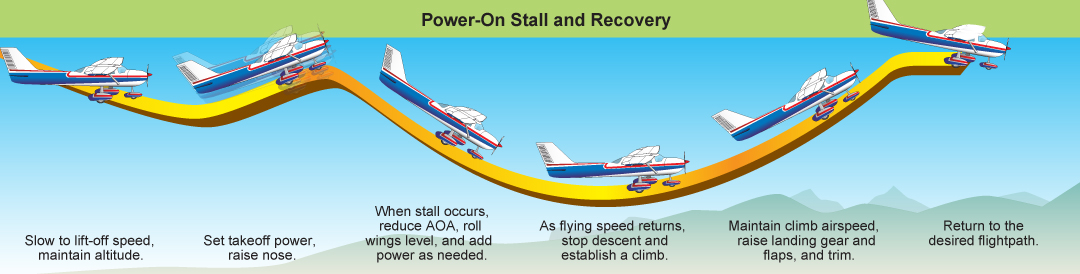
Prenons deux modèles de même design et de même taille, l'un pèse 6 livres et l'autre pèse 7 livres. Le modèle le plus léger aura une vitesse de décrochage inférieure à celle du modèle plus lourd, car le modèle le plus lourd devra voler à une vitesse plus élevée pour générer la même portance nécessaire pour le maintenir en l'air. Le modèle léger aura une vitesse de décrochage inférieure, ce qui signifie qu'il pourra également atterrir à une vitesse inférieure, ce qui réduira le risque de dommages lors d'un atterrissage brutal. Une vitesse plus lente à l'atterrissage donnera également au pilote plus de temps pour réfléchir à ce que vous devez faire pour maintenir les ailes à niveau et le modèle pointé vers la piste.Let's take two models of the same design and size one weighs 6lbs and the other weigh 7lbs. The lighter model will have a lower stalling speed than the heavier one because the heavier model will have to fly at a higher airspeed to generate the same lift required to keep it in the air. The light model will have a lower stall speed which means it will also be able to land at a lower speed this will reduce the risk of damage in a hard landing. A slower speed on landing will also give you the pilot more time to think ahead of what you need to do to keep the wings level and the model pointing down the runway.
En vol rectiligne et en palier, supposons que la vitesse de décrochage d'un modèle donné est de 25 MPH, ce serait la vitesse idéale pour que le modèle décroche et arrondisse pour atterrir sur la piste. Le même avion dans une inclinaison avec les ailes à, disons, 30º, la vitesse de décrochage monte jusqu'à environ 30 MPH. Dans une inclinaison de 45°, la vitesse de décrochage augmente jusqu'à environ 45 MPH. Augmentez maintenant l'angle d'inclinaison à 60º et la vitesse de décrochage pourrait être de 50 à 55 MPH. La vitesse de décrochage augmente considérablement avec l'angle d'inclinaison et si vous incorporez également la gouverne de profondeur pour initier un virage, la vitesse commence maintenant à diminuer en raison de la traînée induite. Si le pilote n'en est pas conscient, le modèle perdra rapidement de la hauteur et s'écrasera si des mesures ne sont pas prises pour remédier à la situation. La situation ci-dessus est encore plus pertinente avec un EDF car le flux d'air au-dessus des surfaces de vol est réduit. Avec un modèle entraîné par une hélice, l'air circule sur les gouvernes depuis l'hélice. Cependant, veuillez noter que le flux d’air se fera uniquement au-dessus de la gouverne de profondeur et du gouvernail. Les ailerons auront peu ou pas d'autorité vers le bout de l'aile.In straight and level flight lets assume the stall speed of a given model to be 25MPH this would be the ideal airspeed for the model to stall and flare to land on the runway. The same aircraft in a bank with the wings at say 30º the stalling speed goes up to about 30MPH. In a bank of 45º the stalling speed increases to around 45MPH. Now increase the angle of bank to 60º and the stalling speed could be 50 to 55MPH. The stalling speed increase dramatically with the angle of bank and if you incorporate elevator as well to initiate a turn the airspeed now starts to reduce because of the induced drag. If the pilot is not aware the model will rapidly loose height and crash if measures are not taken to rectify the situation. The above situation is even more relevant with an EDF because there is reduced airflow over the flying surfaces. With a propeller driven model there is airflow over the control surfaces from the propeller. However, please note the airflow will only be over the elevator and rudder. The ailerons will have little or no authority out towards the tip of the wing.
Maintenant, considérons un circuit d'atterrissage où le modèle est sur la branche vent arrière du modèle, vous avez une puissance réduite et une perte de hauteur. À un moment donné, vous effectuez un virage à 90º sur une jambe de base tout en réduisant légèrement la puissance pour réduire la hauteur. Le dernier virage jusqu'à la finale de l'approche est l'endroit le plus probable où le modèle décrochera et s'écrasera si le pilote ne le sait pas. Pendant que vous effectuez le virage, vous faites rouler l'avion vers une inclinaison et en même temps vous commencez à appliquer la gouverne de profondeur et peut-être aussi le gouvernail. Ce sont les mêmes entrées de contrôle pour une rotation. Le virage final avant l'approche à l'atterrissage doit toujours être un virage doux et très peu profond.Now, consider a landing circuit the model is on the downwind leg of the pattern, you have reduced power and loosing height. At a given point you make a 90º turn onto a base leg all the while reducing the power slightly to reduce the height. The last turn on to the final for the approach is the most likely place the model will stall and crash if the pilot is unaware. As you make the turn you roll the aircraft into a bank and at the same time you start to apply up elevator and perhaps the rudder as well. These are the same control inputs for a spin. The final turn onto the landing approach should always be a very shallow gentle turn.
Le modèle est joliment aligné sur le final ; à l'approche de l'atterrissage, tout semble bon quand soudain WHAM, BANG le modèle laisse tomber une aile et s'écrase. Ce qui s'est passé, vous venez de subir un décrochage des pourboires. Alors, qu’est-ce qui crée un blocage des pourboires et comment pouvons-nous l’éviter, vous entendez-vous dire. Un décrochage en pointe se produit lorsque la portance au bout de l'aile cesse de générer de la portance et que l'emplanture ou le centre de l'aile continue de le faire. En d’autres termes, plus de portance est générée au centre de l’aile qu’à la pointe et de ce fait, la pointe va tomber, d’où le nom « Tip Stall ».The model is nicely lined up on the final; approach to landing everything looks good when suddenly WHAM, BANG the model drops a wing and crashes. What happened, you have just experienced a tip stall. So what creates a tip stall and how can we prevent it I hear you say. A tip stall occurs when the lift at the wing tip stops generating lift and the root or center of the wing continues to do so. In other words more lift is generated at the center of the wing that at the tip and because of this the tip will drop Hence the name “Tip Stall”.
Cela se produit principalement avec une aile effilée et, encore une fois, le poids du modèle joue un rôle important, il doit être léger. Une fois le modèle construit et terminé, vous ne pouvez plus faire grand-chose. Cependant, il existe une petite astuce qui fonctionne : relever les deux ailerons légèrement au-dessus du bord de fuite de l'aile quelque part entre 1/32" et 1/16". Cela a pour effet de créer une portance au niveau de la pointe c’est ce qu’on appelle le « Wash Out ». Tout ce qui va au-delà de cela doit être abordé dès les étapes de conception et de construction. Veuillez noter que cela ne fonctionne qu'avec le modèle dans le bon sens en vol. Inversé, il a l’effet inverse et s’appelle « Wash In ». Si vous avez uniquement l'intention de faire voler le modèle dans le bon sens ou à l'envers à au moins la moitié des gaz inversés, tout ira bien.It happens mainly with a tapered wing and, again the weight of the model plays an important part it should be light. After the model has been built and finished there is very little you can do. However, there is one little trick that works and that is to raise both ailerons up slightly above the trailing edge of the wing somewhere between 1/32” and 1/16”. This has the effect of creating lift at the tip it’s called “Wash Out”. Anything more than this needs to be addressed in the design and building stages. Please note this only works with the model the right way up in flight. Inverted it has the opposite effect and it’s called “Wash In”. If you only intend to fly the model the right way up or inverted at no lower than half throttle inverted it will be fine.
Les avions de voltige ont des capacités de décrochage en pointe intégrées à la conception, ils doivent être capables de rouler et de tourner de manière propre et prévisible.Aerobatic aircraft have tip stalling capabilities built into the design, they need to be able to snap roll and spin cleanly and predictably.
Le décrochage électrique est le dernier que je veux mentionner. Votre modèle accélère sur la piste jusqu'au décollage, décolle dans les airs et entame une belle montée peu profonde à laquelle vous augmentez l'angle et le taux de montée. Le modèle commence à ralentir alors qu'il est encore à pleine puissance et ne perd pas rapidement de vitesse. Un ascenseur plus haut ne fera qu'empirer la situation. Si vous n’agissez pas immédiatement, le modèle calera et risque de s’écraser. La seule solution pour éviter un accident est de pousser le piqué pour augmenter la vitesse.The power stall is the last one I want to mention. Your model accelerates down the runway to takeoff and lifts off into the air and starts a nice shallow climb at which point you increase the angle and rate of climb. The model starts to slow down while still on full power and is nor rapidly loosing airspeed. More up elevator will only make the situation worse. If you don’t take immediate action the model will stall and likely crash. The only course of events to prevent a crash is to push the nose down to increase the airspeed.
En situation de décrochage, vous devez augmenter la vitesse afin que l'aile puisse générer suffisamment de portance pour que le modèle puisse voler. Vous devrez peut-être d'abord mettre les ailes à niveau, cela dépendra de l'attitude dans laquelle se trouve le modèle.In a stall situation you have to increase the airspeed so the wing can generate sufficient lift for the model to fly. You may have to level the wings first it will depend on the attitude the model is in.
Enfin, j'espère que cela vous aidera à éviter un crash et que cela pourra également vous aider en cas de crash inexpliqué.Finally I hope this helps you prevent a crash and it may also help when you have an unexplained crash.


