



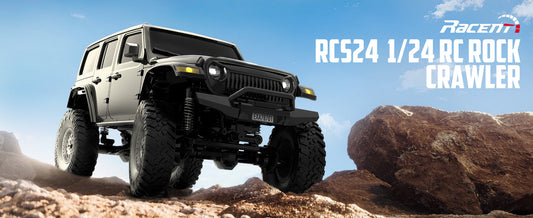
RC cars are miniature models powered by batteries, nitro fuel, or gas. You control them with a remote, steering them around like a video game character—but in real life. Some are tiny, fitting in your hand, while others are bigger and built for rough outdoor play. Kids can race them, do tricks, or just cruise around. The appeal? They’re fast, fun, and hands-on.
In a world where children spend hours staring at glowing tablet screens, finding an outdoor activity that captures their interest can feel like an uphill battle. As a parent and a lifelong RC enthusiast, I have found that a remote-control car is one of the few toys that can compete with modern video games. The instant response of the vehicle, the dust kicking up from the tires, and the challenge of navigating a real-world obstacle course offer a sensory experience that no virtual world can replicate.
But beyond the pure fun and excitement, RC cars are valuable tools for child development. Handing a remote control to your child is not just about giving them a plaything; it is about introducing them to physics, mechanical engineering, and spatial geometry, all packaged in a high-speed monster truck or drift car. Let us look at why these vehicles are excellent for growing minds and how to choose the right setup for your family.
Why Kids Might Like Them
Kids get a kick out of RC cars for a few reasons. Driving one takes skill—your hands and eyes have to work together to keep it on track. Over time, this sharpens coordination. Plus, they’re not stuck to a screen. Kids go outside, chasing the car or setting up ramps, which gets them moving. Ever tried building a jump out of dirt or boxes? It sparks creativity too.
RC cars also teach patience. If the car breaks or slows down, kids figure out what’s wrong—maybe the battery’s low or a wheel’s loose. Solving those little problems builds confidence. And if they join friends or a club, they learn to share ideas and compete fairly.
There is also the joy of speed. Children love control, and piloting a machine that zips across the grass at 15 or 20 miles per hour gives them a sense of empowerment. It is an active hobby that encourages them to run, jump, and explore their physical surroundings, helping them develop healthy habits away from sedentary screen time.
Developmental Benefits: Mastering Hand-Eye Coordination
When a child drives an RC car, their brain is performing complex calculations in real time. They have to judge distances, speed, and timing to avoid hitting obstacles or flipping the car over. This active engagement is a powerful way to develop fine motor skills and hand-eye coordination. Pushing the joysticks or squeezing the throttle trigger requires precise finger inputs, helping to strengthen hand muscles and refine motor planning.
The most challenging aspect of driving an RC car is steering inversion. When the car is driving away from the pilot, steering left makes the car turn left. However, when the car turns around and drives back toward the pilot, steering left makes the car turn to the pilot's right. Understanding this switch requires mental rotation skills and spatial awareness. Kids must learn to project themselves into the driver's seat of the miniature car, predicting how steering inputs will affect the vehicle's path. This mental exercise builds spatial intelligence, which is a key skill used in mathematics, science, and everyday navigation.
Types of RC Cars: Choosing the Right Power System
Not all RC cars are the same. Here’s a quick rundown of the power systems available:
- Electric: These run on rechargeable batteries. They’re quiet, clean, simple to use, and perfect for beginners. You charge them up and go, making them the most practical choice for children.
- Nitro: These use a special fuel mix containing nitromethane. They’re louder, faster, emit exhaust smoke, and feel more like real cars. However, they need specialized tuning, fuel handling, and regular maintenance, making them unsuitable for young children.
- Gas: Larger and stronger, these run on regular gasoline mixed with two-stroke oil. They are expensive, heavy, and intended for serious adult hobbyists due to the complexity and safety risks involved.
For kids just starting out, electric models are the clear choice. They are safe, require no messy fuel mixing, and can be run indoors or in backyard spaces without disturbing the neighbors. Modern battery technology has progressed to the point where electric RC cars can match or exceed the speeds of fuel-powered models, making them both high-performing and user-friendly.
Understanding Brushed vs. Brushless Motors
Within electric RC cars, you will see two types of motors: brushed and brushless. Brushed motors are the traditional standard. They are inexpensive, deliver smooth power delivery, and cap the vehicle's speed at a manageable level (typically 10 to 18 miles per hour). This speed range is perfect for younger kids, as it gives them enough time to react and steer before crashing into a wall. Brushed models also keep the initial purchase cost low.
Brushless motors are the modern choice for high-speed action. They do not have wearing brushes, run much more efficiently, and can push vehicles to speeds of 30, 40, or even 50 miles per hour. While brushless cars are incredibly exciting, they require faster reflexes and can cause more damage during a crash, making them better suited for older children or teens who have already mastered basic driving skills. Fortunately, many hobby-grade transmitters feature a throttle limiter dial. This allows parents to restrict the motor's power to 50% or 70% while the child is learning, and then gradually turn up the speed as their driving skills improve.
Parts of an RC Car: A Lesson in Mechanics
Knowing what’s inside an RC car can make it more fun. The chassis is the base, holding everything together. The motor—electric or fuel-powered—makes it move. A battery or fuel tank keeps it running. The suspension smooths out bumps, while wheels and tires grip the ground. The radio system (remote and receiver) lets you steer. Kids can explore these parts, maybe even tweak them later on.
This mechanical simplicity makes RC cars an excellent hands-on STEM learning tool. When a child changes a set of worn tires or adjusts the oil-filled shock absorbers, they are learning about mechanical friction and damping. They see how tightening the suspension spring increases stability on flat pavement but causes the car to bounce uncontrollably on rough dirt. They learn about gear ratios by swapping pinion gears, discovering how smaller gears provide better acceleration for climbing hills, while larger gears provide higher top speeds for racing down driveways. It is physics in action, taught through physical experimentation.
Family Bonding and Parent-Child Interaction
One of the best aspects of the RC hobby is that it is a shared experience. It provides a natural platform for parents and children to work together, bridging generational gaps. Building a backyard race track with cardboard ramps, wooden boards, and plastic cones is a fun project that encourages teamwork and planning. Once the track is set up, timing each other's laps and competing to see who can complete the course without crashing creates healthy, friendly competition.
The learning continues on the workbench. When a car inevitably hits a curb and breaks a suspension arm, it is an opportunity to sit down together and repair it. Parents can show children how to use tools like hex drivers, screwdrivers, and pliers. Working together to diagnose a mechanical issue—such as checking if a drive shaft popped out or if a gear is stripped—builds critical thinking and patience. The satisfaction of taking a broken car, replacing the damaged part, and watching it run again is a powerful confidence builder for any child.
Important Safety Rules for Young Drivers
While RC cars are safe, they are fast-moving machines that require responsible operation. Establishing clear safety rules before the first run ensures that the play remains fun and hazard-free. Here are the core rules every young driver should follow:
- Never run near real traffic: Driveways, yards, and parks are perfect. Avoid streets, roads, or parking lots where real cars are moving. A child chasing a runaway RC toy into the street is a dangerous hazard.
- Respect other people and pets: Avoid driving fast in crowded areas. Keep the car away from dogs and cats, as spinning tires and fast movements can scare animals or lead to bites.
- Wear appropriate footwear: Always wear closed-toe shoes (like sneakers) when driving or retrieving an RC car. A 5-pound monster truck hitting a bare toe at 20 miles per hour can cause painful bruises.
- Stop when someone approaches: If a person walks into the driving zone, release the throttle immediately and let the car come to a stop. Wait until the path is clear before driving again.
By enforcing these simple guidelines, parents can teach children about safety and responsibility, helping them become respectful hobbyists.
Battery Safety Guidelines for Families
Electric RC cars rely on powerful rechargeable batteries, typically Lithium-Ion (Li-ion) or Lithium-Polymer (LiPo) packs. These batteries provide the high current needed for speed, but they require careful handling to prevent hazards like overheating or fire. Parents should manage or supervise all battery charging and storage. Here are the essential battery safety rules:
- Use the correct charger: Always use the charger that came with the vehicle or a compatible balance charger designed for the specific battery type. Never use a charger meant for a different battery chemistry.
- Supervise charging: Charge batteries on a flat, hard, non-flammable surface (like a concrete floor or metal tray). Never leave a charging battery unattended, and do not charge them near curtains, paper, or carpet.
- Store batteries safely: Keep batteries in a fireproof LiPo guard bag when charging or storing them. Store them in a cool, dry place away from direct sunlight and extreme temperatures.
- Disconnect after play: Always unplug the battery from the car's speed controller as soon as you finish driving. Leaving the battery connected can drain it to absolute zero, which permanently damages the battery cells and makes it unsafe to recharge.
- Inspect for damage: Regularly check the battery pack for signs of swelling, puffed casings, or exposed wires. If a battery looks swollen or damaged, stop using it immediately and dispose of it at a local recycling center.
Tips to Get Started
New to RC cars? Here’s how kids can dive in:
- Pick a basic electric model. It’s less hassle to start with.
- Find an open space—like a driveway or park—to practice.
- Charge the battery fully before playing. A dead car’s no fun.
- Keep it simple at first. Master steering before trying flips.
- Ask questions if you’re stuck. Online videos or hobby shops can help.
Start small, and the fun grows as you get better. When picking your first model, look for a "Ready-to-Run" (RTR) package. These packages include everything you need in one box: the pre-assembled car, the transmitter, the battery, and the charger. This avoids the frustration of buying separate components that might not be compatible.
Racing and Competitions
Some kids take RC cars to the next level—racing. Tracks exist where they can race against others, following rules like a real sport. It’s not just about speed; strategy matters too. How do you take a turn without crashing? Competitions range from casual meetups to bigger events with prizes. It’s a cool way to test skills and meet people who love RC cars as much as you do.
Local hobby shops often host weekly racing events on outdoor dirt tracks or indoor carpet courses. These events are divided into classes based on age and vehicle type, ensuring that beginners compete against other novices rather than experienced drivers. It is a fantastic community that welcomes new families, with veteran drivers always willing to offer tips and help repair broken cars in the pits.
How They Help Kids Grow
Beyond the fun, RC cars do more. Kids learn how things work by fixing or adjusting them. They stay active running around outside. Socially, they connect with others who share the interest—think of it like a club. And customizing a car, even just painting it, lets them show off their style. Ever wonder what your dream car would look like? This is a mini version.
This creativity is another avenue for growth. Many hobbyists buy clear polycarbonate bodies, painting them from the inside with custom colors, decals, and scale details. This lets kids express their personality and take pride in their unique machine. When they show off their customized car at the park or track, they build social confidence and connect with other kids through their shared interest.
If you are ready to explore child-friendly, rugged models that can handle drops, jumps, and water, check out our full collection of RC cars and trucks. For high-speed models, visit our high-speed cars and trucks page. To find the perfect waterproof pool-and-ground machine, see the amphibious remote control car or the durable Racent 1/16 RC Monster Truck.
Wrapping Up: The Ultimate Developmental Toy
So, are RC cars good for kids? They mix play with learning, get kids outdoors, and teach skills like problem-solving and teamwork. If you’re a beginner or a parent thinking about it, why not give it a try? Grab a simple electric RC car and see where it takes you. What’s the first trick you’d want to pull off?
By blending physical coordination, technical mechanics, safety lessons, and quality family time, remote control vehicles offer a rich play experience that simple toys cannot match. They grow with your child, transitioning from simple backyard racers to advanced mechanical projects. Invest in a quality electric model, head to the nearest park, and start building memories together today.
Frequently Asked Questions
What age is appropriate for a hobby-grade RC car?
Hobby-grade RC cars are generally suitable for children aged 8 and older, though younger kids can drive them under close parental supervision. "For children under 8, we recommend starting with toy-grade vehicles or using hobby-grade transmitters equipped with throttle-limiting switches to reduce speeds to a safe level." At age 8, kids typically develop the spatial orientation and finger dexterity needed to control a fast car and begin participating in simple repairs on the workbench.
Is a brushed or brushless motor better for a child's first RC car?
A brushed motor is highly recommended for a child's first RC car because it provides a safe, controllable top speed and keeps the initial cost low. "Brushed cars typically run between 10 and 15 mph, which is fast enough to be exciting but slow enough to prevent major damage during crashes." Brushless motors are extremely fast (often 30+ mph) and are better suited for older children or teens who have already developed quick driving reflexes.
How does a throttle limiter help kids learn to drive RC cars?
A throttle limiter is a dial on the radio transmitter that reduces the maximum power sent to the motor, capping the vehicle's speed at a fraction of its capacity. "By limiting the speed to 50% or 30%, parents can create a safe learning zone where kids can practice steering, braking, and turning without the risk of high-speed crashes." As the child's coordination and confidence improve, the limiter can be popped up gradually until they can handle full speed.
What are the basic battery safety rules for RC car LiPo packs?
The core battery safety rules include charging only on non-flammable surfaces under adult supervision, storing in a fireproof LiPo bag, and disconnecting the pack from the car immediately after use. "Disconnecting the battery is essential because if left plugged in, the speed controller will slowly drain the cells below safe voltages, destroying the battery and making it dangerous to charge." Parents should always inspect the battery packs for any swelling or exposed wires before and after every play session.


